
#droughts

3 posts · Last used 21d

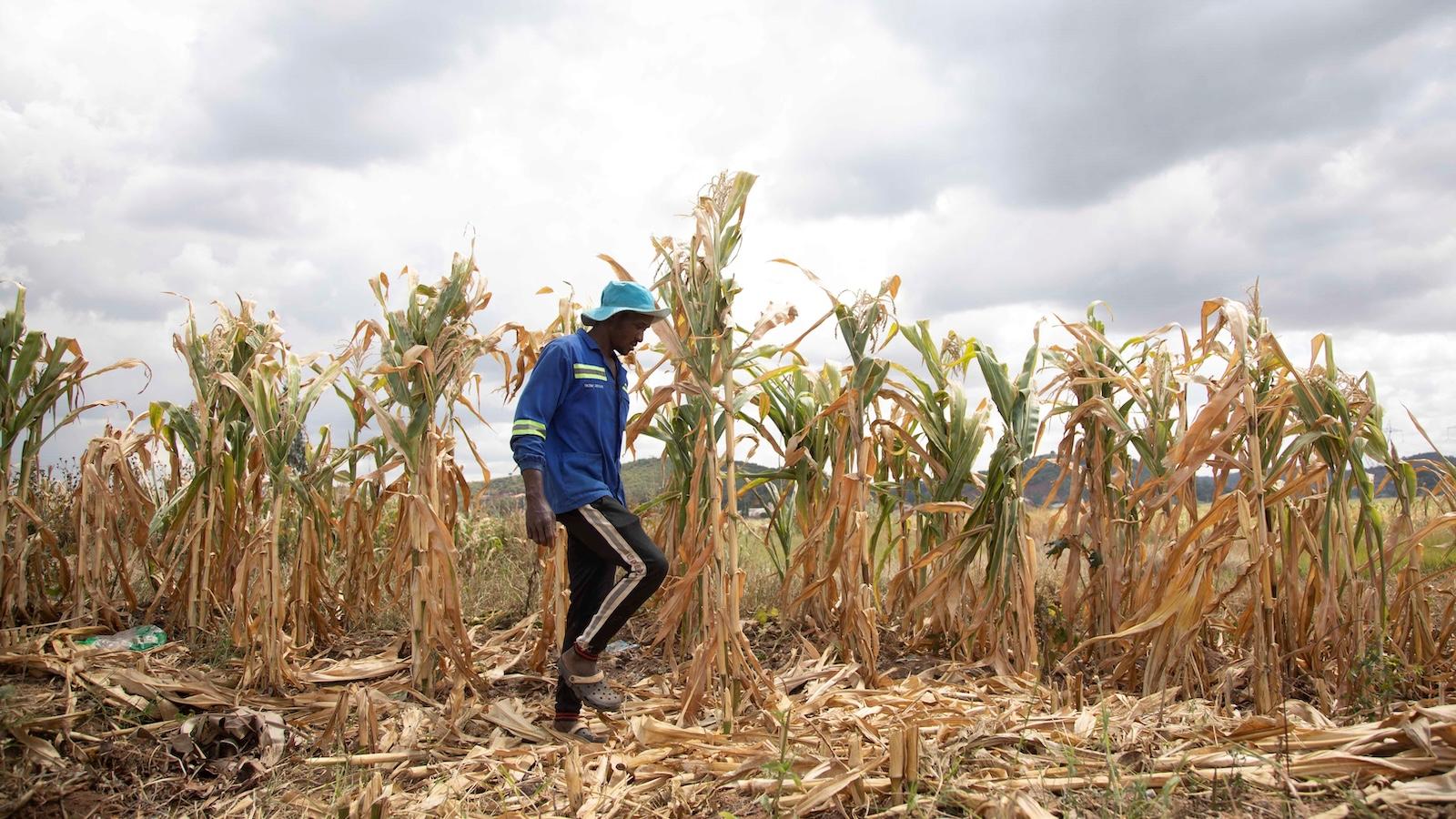
"Beginning in the summer, El Niño typically peaks around December or the following January." 🧵 "#ElNiño can contribute to severe droughts in one part of the world and heavy rainfall in others — both of which can disrupt growing seasons in key breadbaskets of the world." Frida Garza for Grist.org: https://grist.org/food-and-agriculture/the-super-el-nino-is-here-what-happens-next-could-upend-farming-worldwide/ In 1877, one of the strongest El Niños ever recorded was associated with historic droughts across Asia, as well as in parts of Brazil and northern Africa. These droughts, “along with colonial policies, contributed to famines in many regions which were really devastating,” said Deepti Singh @climatechirper.bsky.social. The fatalities associated with these famines were upward of 50 million people. Study: https://journals.ametsoc.org/view/journals/clim/31/23/jcli-d-18-0159.1.xml #colonies #BritishEmpire #India #food #agriculture #droughts #famine #floods #farming
1
8
2
0
How to help your garden withstand #ClimateChange#HealthySoils and diverse, perennial plants can help your garden beds survive #ExtremeWeather like #floods and #droughts. March 13, 2026 "The days are getting longer, and spring is around the corner. For many home gardeners, it’s a time of hope and anticipation. "So it’s the perfect time to plan how to help your flower beds thrive as climate change brings more extreme and unpredictable weather. "Marsden: 'Flooding, droughts, heat, cold, all the extreme weather we’re seeing is going to impact plants.' "That’s Christy Marsden of the University of Minnesota #ClimateAdaptation Partnership. "She says one of the most important things you can do is get your soil tested and then take steps to improve your soil health – for example, by adding #compost. Healthier soil retains more water during droughts, and it’s less likely to erode during heavy storms. "Marsden also suggests growing a wider mix of flowers than you might have grown before, with varieties that thrive in a range of conditions. "And she recommends relying more on perennial plants, which come back every year, and less on annuals. Marsden: “Perennials are more able to withstand some of those extremes because they have deeper roots. They’re more established.” "So while climate change is a challenge, she says by being flexible and trying new things, you can still grow a beautiful garden in a warming world." Source: https://yaleclimateconnections.org/2026/03/how-to-help-your-garden-withstand-climate-change/ #SolarPunkSunday #SoilHealth #Gardening #HomeGardens #YaleClimateConnections #ClimateChangeGardening #ClimateChangeAdaptation #FlowerGardens
0
1
4
0
Replying to
Atmospheric water vapour drives many important weather phenomena such as precipitation and drought. The atmosphere *can* hold about 7% more water for every 1 °C (1.8 °F) rise in temperature. The model is that saturation vapour pressure increases approximately *exponentially* with temperature under typical atmospheric conditions. Under humid conditions, the rate at which perspiration evaporates on the skin is lower than it would be under arid conditions. With a dew point at 20° C (70° F), almost everyone feels "sticky". When the air above the dew point is cooled, its moisture capacity is reduced, and when the temperature passes below the dew point, water vapour will condense, or precipitate, to form liquid water. The dew point increases by about 1°C for every 5% increase in relative humidity (the ratio of how much water vapour is in the air to how much water vapour the air can contain). Ref: https://doi.org/10.1175/BAMS-86-2-225 #rain #sweat #meteorology #weather #droughts #climate #atmosphere
0
2
1
0